
Hero image

Dashboard Warning Lights Explained: What They Mean and What to Do

Modern vehicles are packed with sensors designed to keep you safe and protect your engine. When a warning light appears on your dashboard, it’s your car’s way of telling you something needs attention. Some lights are minor, while others mean you should stop driving as soon as possible.

Here is a clear guide to the most common dashboard warning lights, what they mean, and what action you should take.

Engine Warning Light (Check Engine Light)

What it looks like: An outline of an engine, usually amber or orange.
What it means: This light can indicate anything from a loose fuel cap to a more serious engine or emissions issue.
What to do: If the light is steady, you can usually continue driving for a short time but should have it checked soon. If the light is flashing, stop driving as soon as it’s safe — this can indicate a serious fault that may damage your engine.

Oil Pressure Warning Light

What it looks like: An oil can symbol.
What it means: Your engine is not getting enough oil pressure. This can cause severe engine damage very quickly.
What to do: Stop driving immediately and turn the engine off. Continuing to drive can lead to costly engine failure.

Battery Warning Light

What it looks like: A battery symbol.
What it means: There may be an issue with your charging system, such as the alternator, battery, or wiring.
What to do: You may still be able to drive briefly, but your vehicle could lose power without warning. It’s best to have this checked as soon as possible.

Brake Warning Light

What it looks like: A circle with an exclamation mark or the word “BRAKE”.
What it means: This could indicate low brake fluid, worn brake components, or an issue with the braking system.
What to do: If the light stays on while driving, have your brakes inspected immediately. Brakes are a critical safety system and should never be ignored.

ABS Warning Light

What it looks like: The letters “ABS”.
What it means: There’s a fault with the Anti-lock Braking System. Your normal brakes may still work, but the ABS function may be disabled.
What to do: You can usually continue driving, but braking performance in emergency situations may be reduced. Have the system checked promptly.

Tyre Pressure Warning Light (TPMS)

What it looks like: A horseshoe shape with an exclamation mark.
What it means: One or more tyres are underinflated, or there’s an issue with the tyre pressure monitoring system.
What to do: Check and adjust tyre pressures as soon as possible. Driving on underinflated tyres can affect handling, fuel economy, and tyre life.

Coolant Temperature Warning Light

What it looks like: A thermometer over waves.
What it means: Your engine is overheating, often due to low coolant, a leak, or a cooling system fault.
What to do: Pull over safely and turn the engine off. Continuing to drive while overheating can cause major engine damage.

Airbag Warning Light

What it looks like: A seated passenger with a circle in front.
What it means: There may be a fault in the airbag or seatbelt pretensioner system.
What to do: Your airbags may not deploy in an accident. Have the system inspected as soon as possible.

Traction Control / Stability Control Light

What it looks like: A car with skid marks.
What it means: If flashing, the system is actively helping you maintain control. If constantly illuminated, the system may be switched off or faulty.
What to do: If the light stays on, have the system checked, especially if you notice reduced handling or stability.

Why You Shouldn’t Ignore Warning Lights

Ignoring dashboard warning lights can lead to:

  • Reduced vehicle safety
  • Higher repair costs
  • Unexpected breakdowns
  • Long-term engine or system damage

Early diagnosis often means simpler, more affordable repairs.

Not Sure What a Warning Light Means?

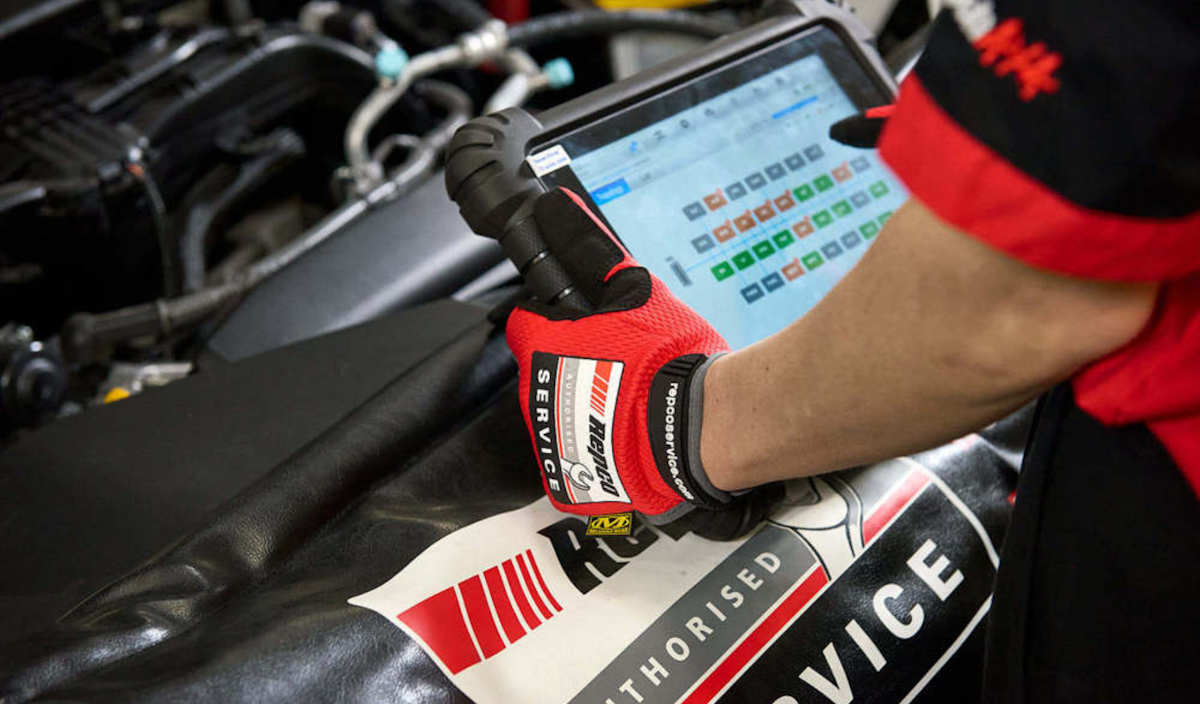
If a warning light has appeared on your dashboard and you’re unsure what to do, a professional diagnostic check can quickly identify the issue and help prevent further damage. Pacific Garage offers expert diagnostics and servicing to keep your vehicle safe, reliable, and running smoothly.

Expert car service

Let's get started with your booking.

Book nowContact us

Related articles

Thumbnail for Do I need a log book for car service in Ballina?
Article
Do I need a log book for car service in Ballina?

The best way to keep your car running safely and reliably as well as maintain your statutory new car warranty is to carry out regular log book servicing. But you don't have to have an actual log book for car service - just call the experts at Pacific Garage...

Read more
Thumbnail for Got an auto electrical problem?
Article
Got an auto electrical problem?

Such things as modern safety systems & controls as well as a range of electronic devices, such as navigation systems and various entertainment devices, all rely on your auto electrical system to function correctly...

Read more
Thumbnail for Essential fluids crucial to you and your vehicle
Article
Essential fluids crucial to you and your vehicle

Different types of fluids each serve their own distinct purpose, and it is important to examine them regularly to guarantee that your vehicle performs optimally.

Read more